Museum of Contemporary Art - Sydney (2025)
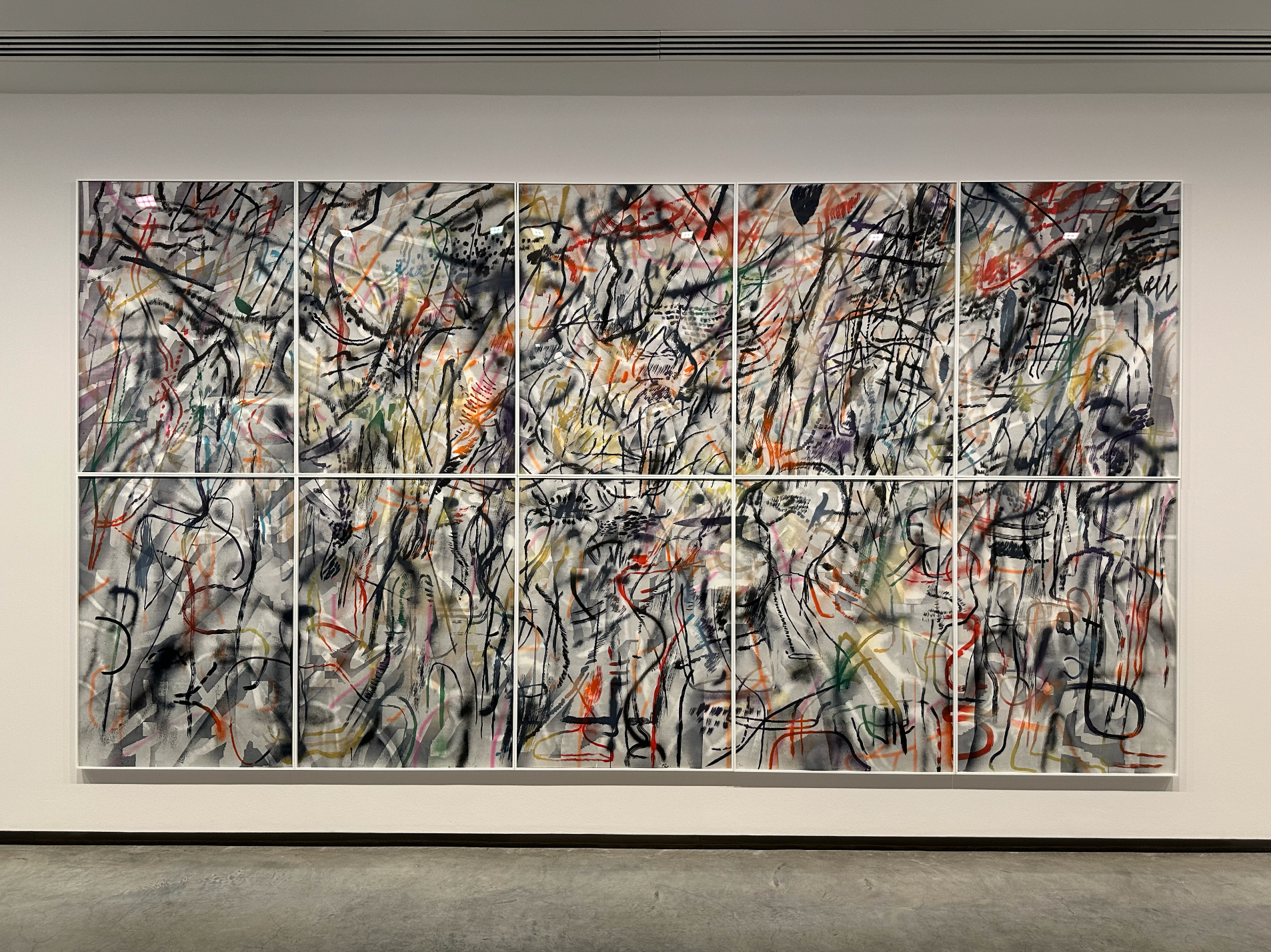
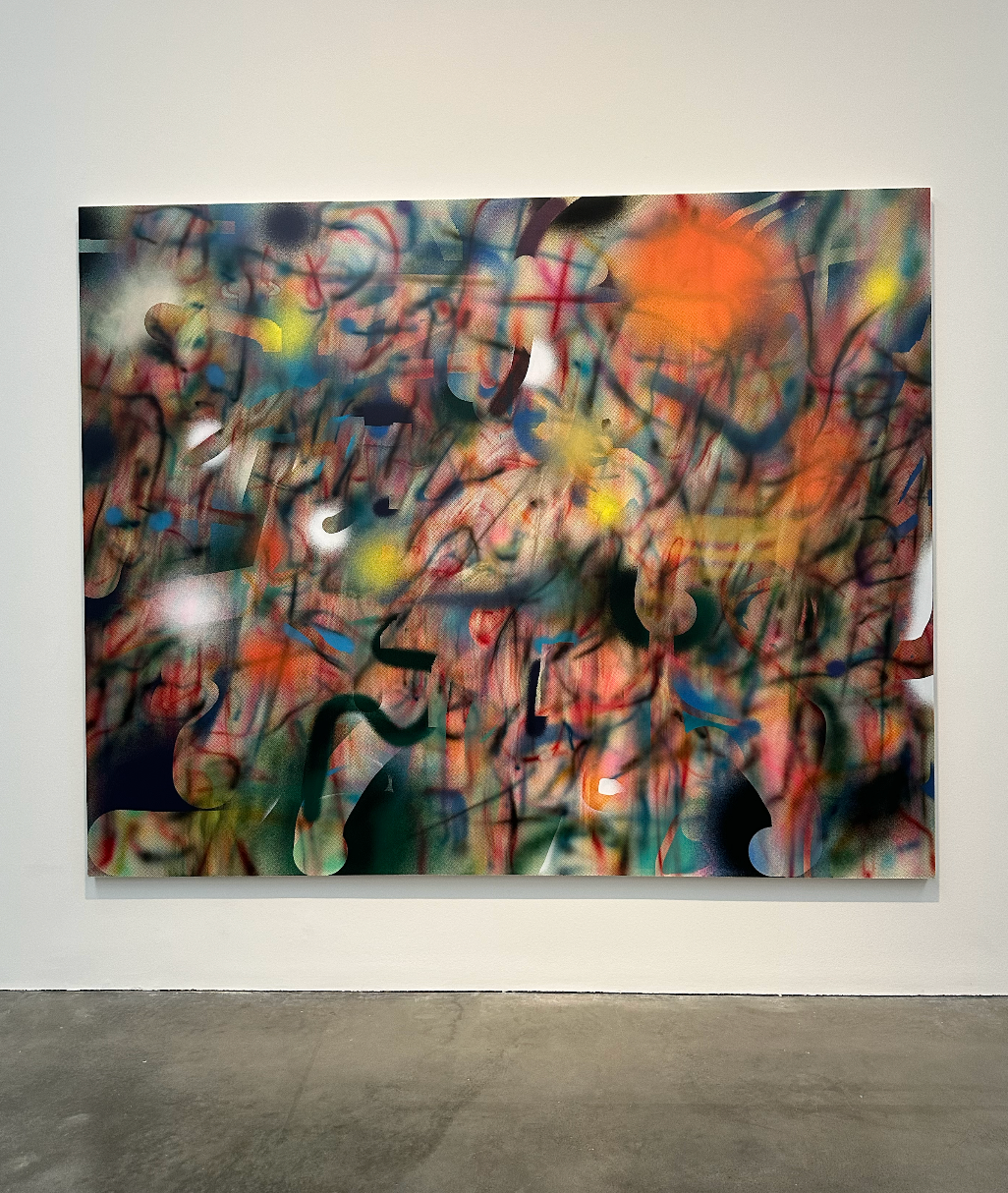
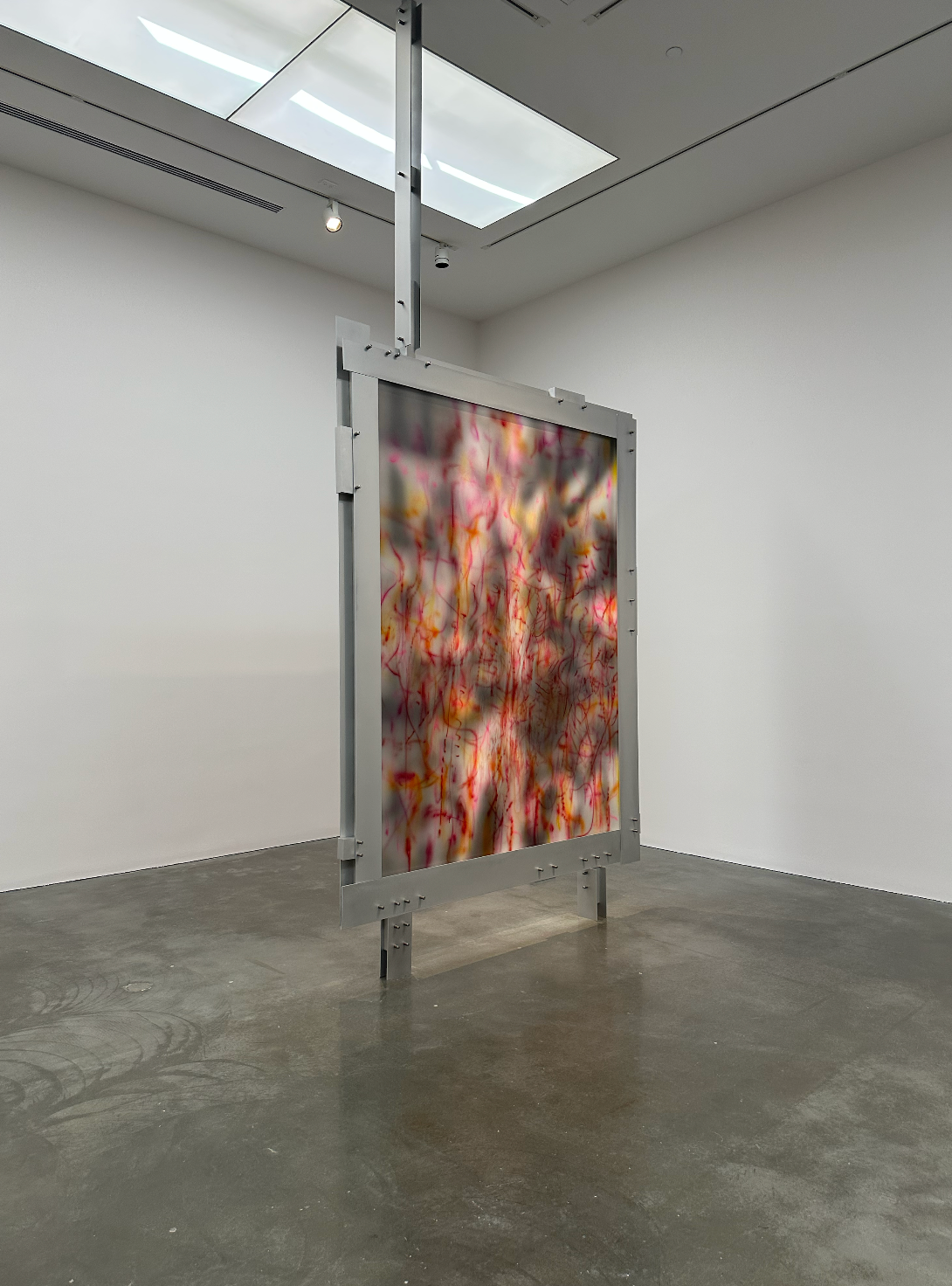
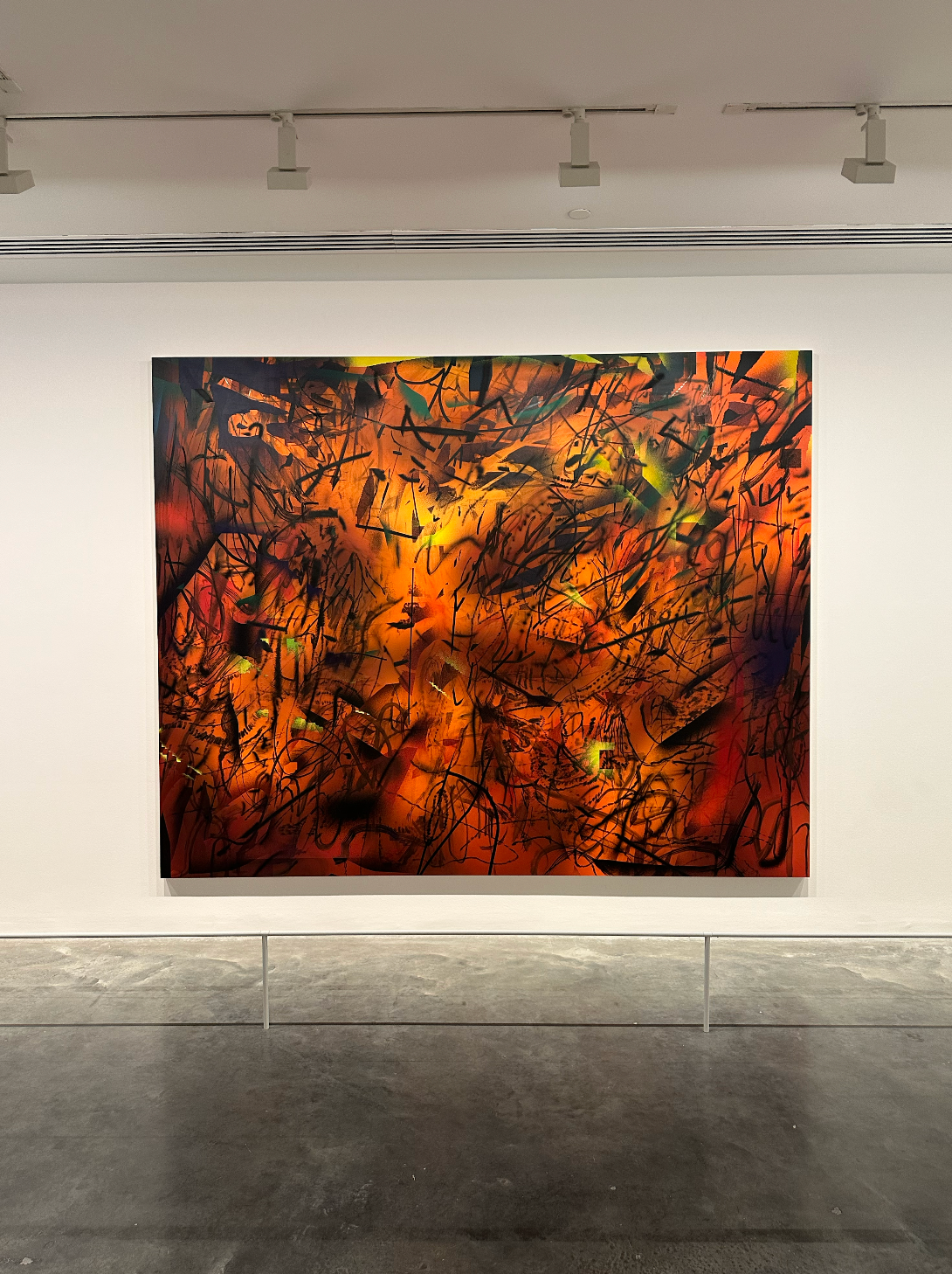
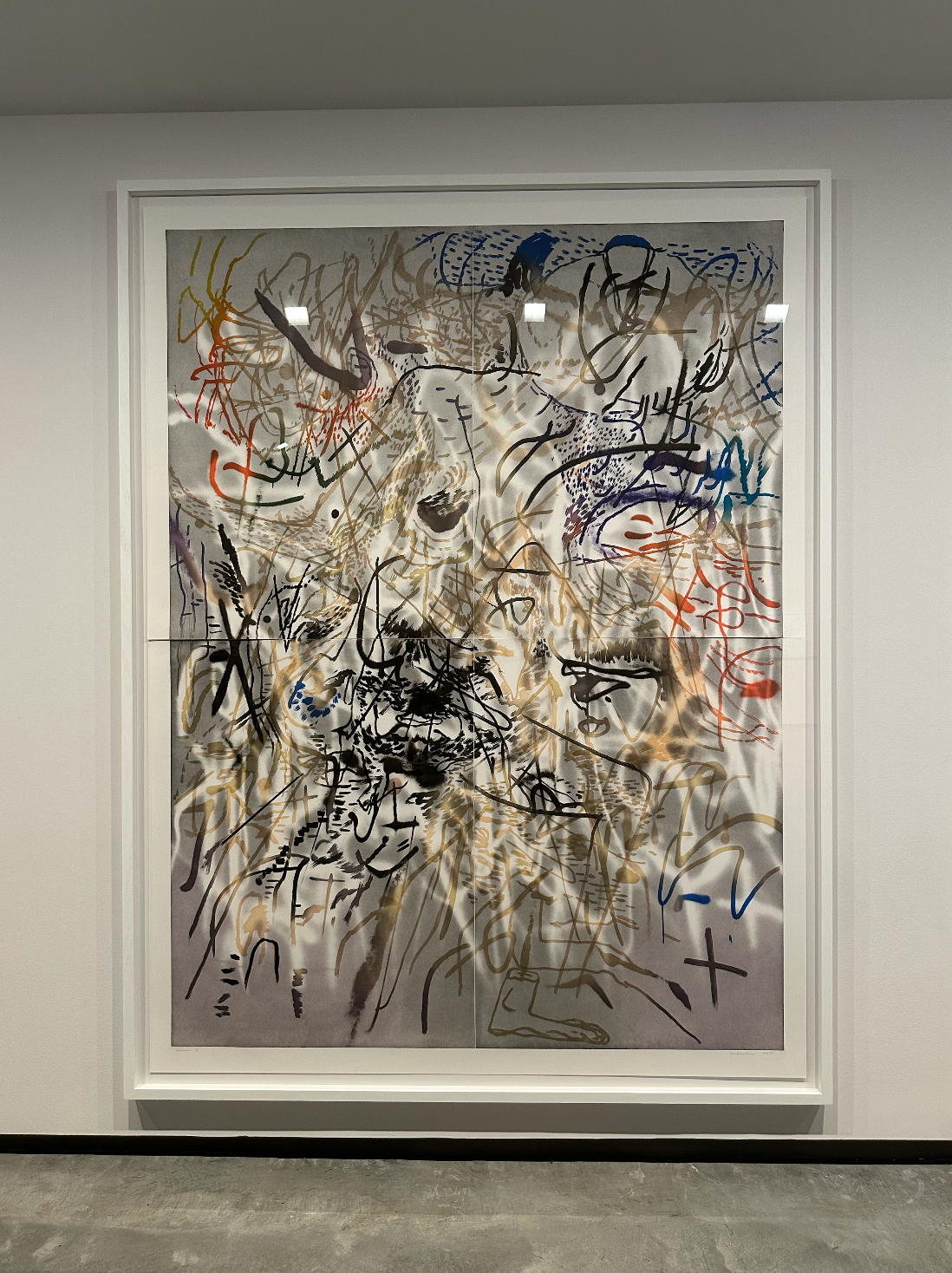
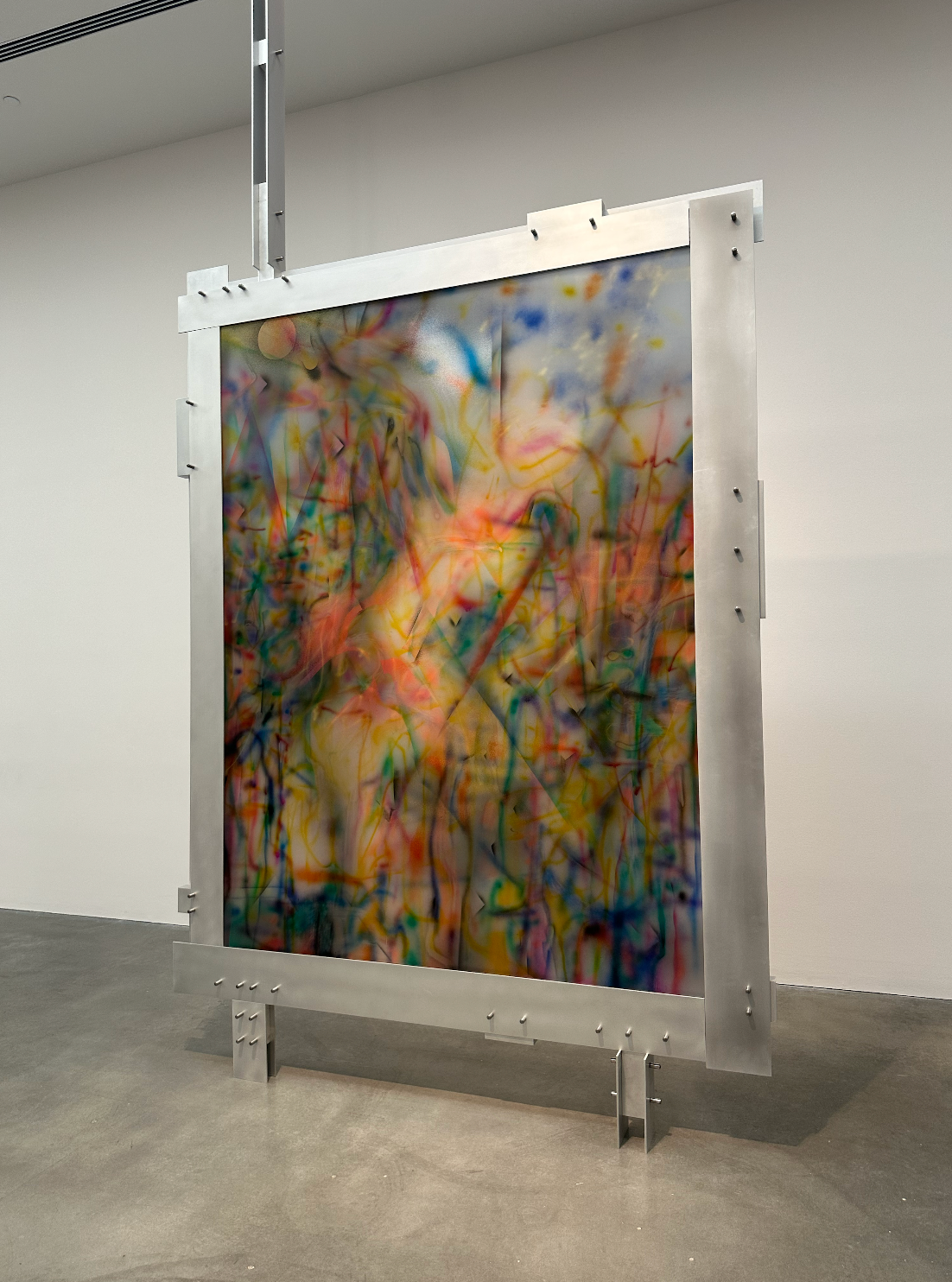
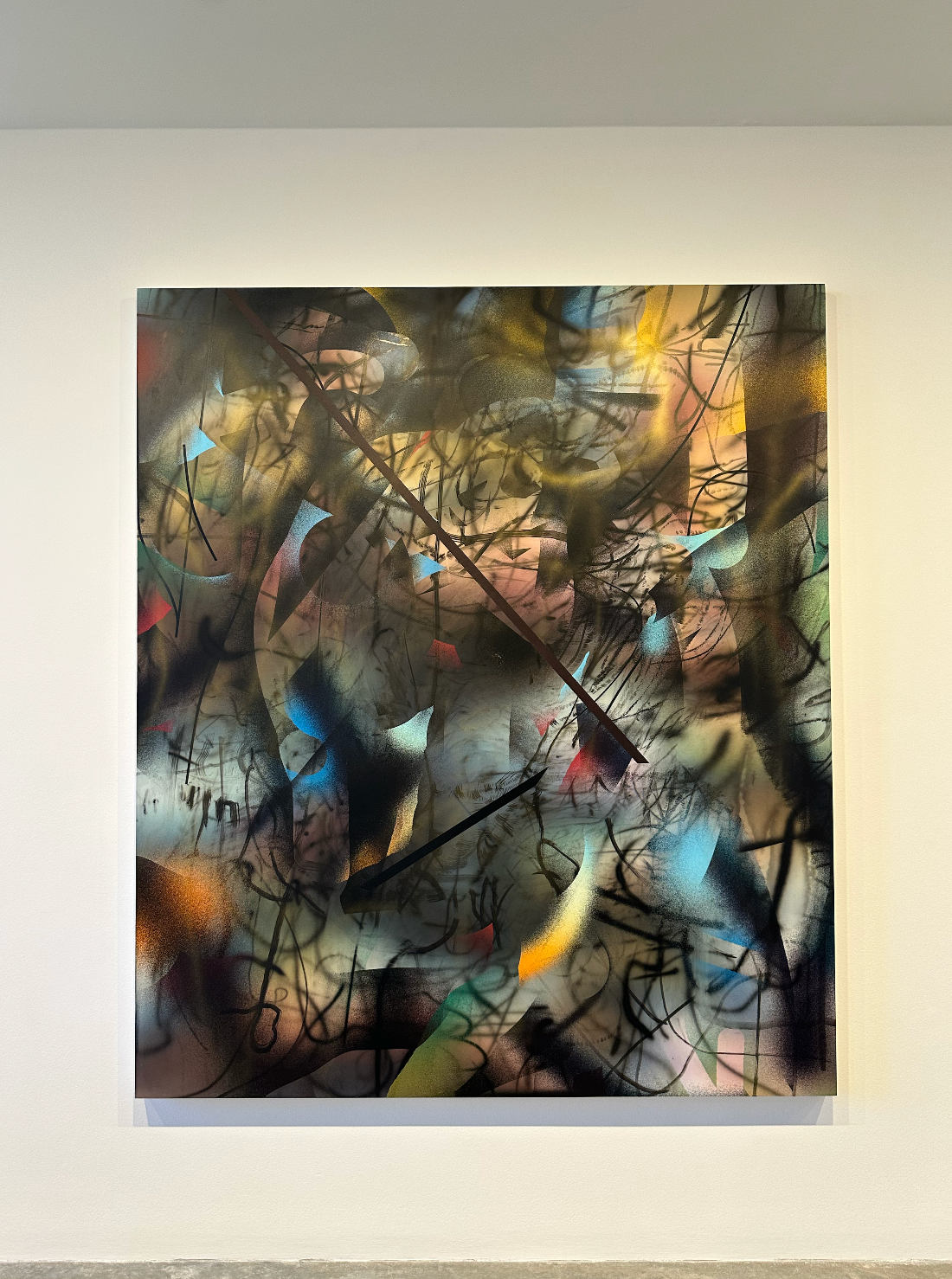
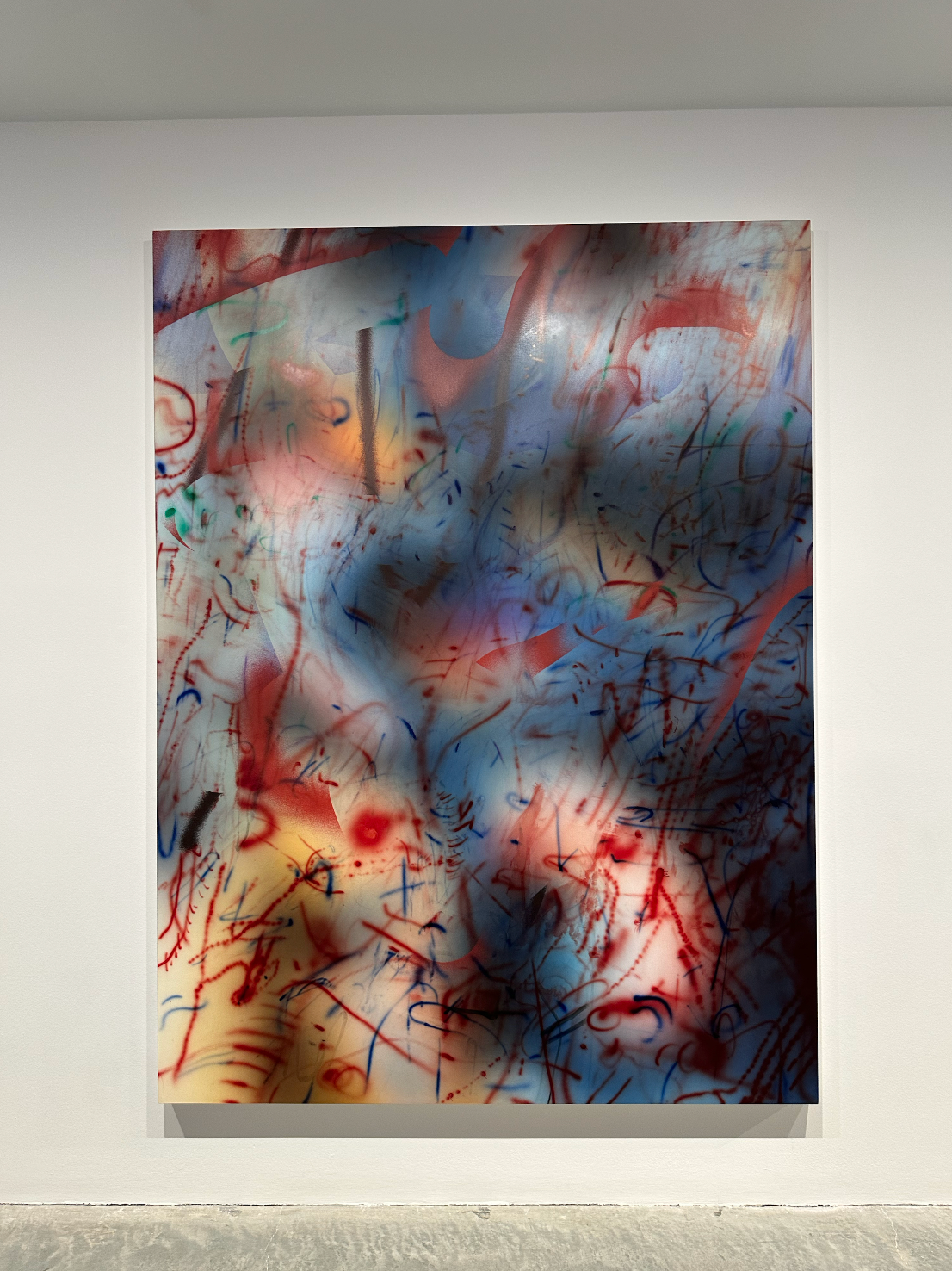
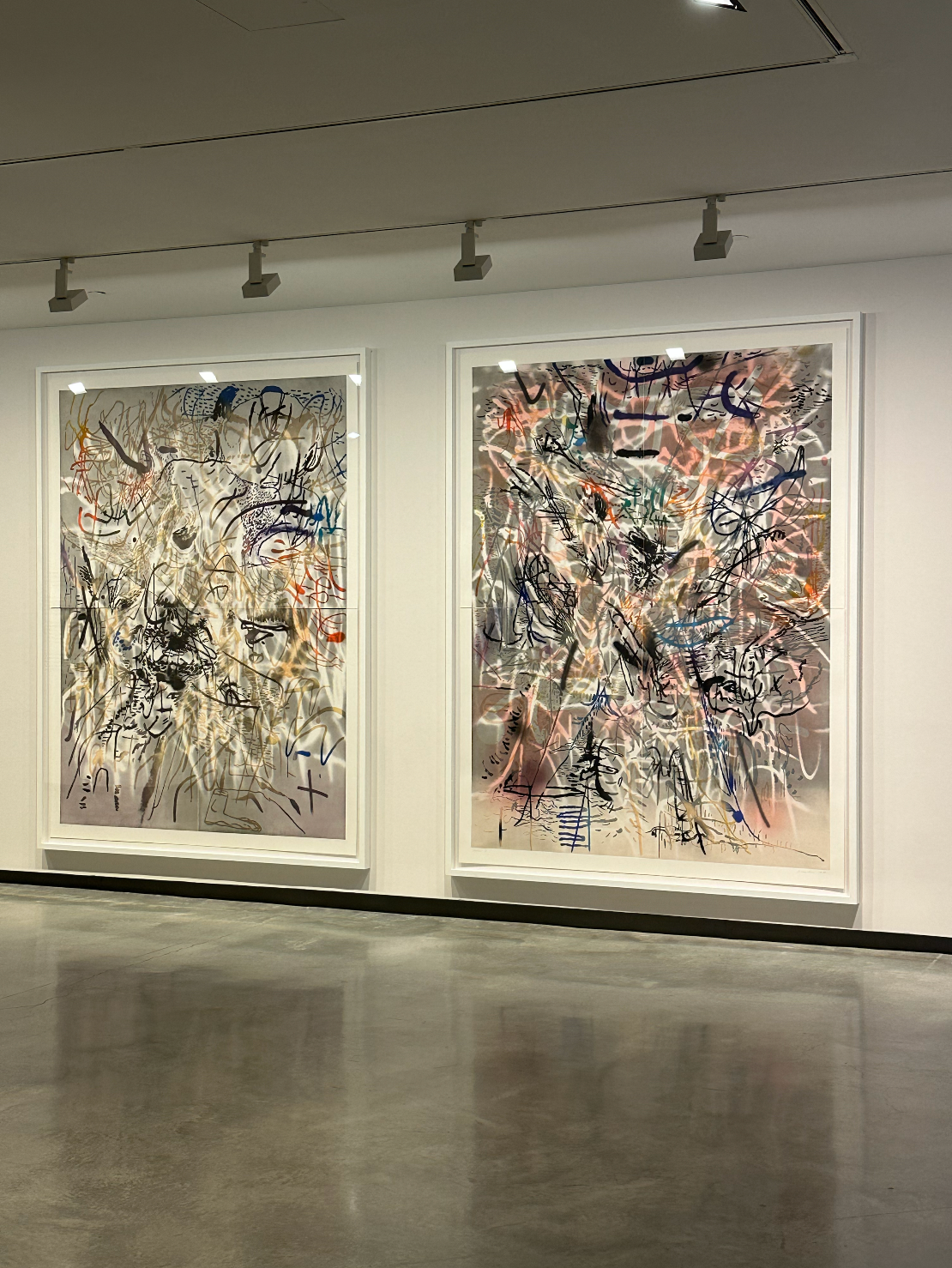
The Museum of Contemporary Art Australia (MCA) is a leading institution in Sydney dedicated to exhibiting, collecting, and interpreting contemporary art. Established in 1991 and located in the historic Art Deco-style former Maritime Services Board building at Circular Quay, it showcases a dynamic range of Australian and international art across various mediums. The MCA also offers public programs, educational initiatives, and events to engage diverse audiences with contemporary culture. The MCA is currently hosting a major exhibition in Australia of Ethiopian-American artist Julie Mehretu. Titled A Transcore of the Radical Imaginatory, presenting over 80 works, including 36 paintings created between 2017 and 2024, along with several major new painting cycles completed in 2023 and 2024. Mehretu's work is renowned for its dynamic and layered compositions exploring themes of migration, conflict, and the complexities of contemporary life. Her paintings often incorporate elements of architecture, geography, and history, creating intricate visual narratives that invite viewers to engage deeply with the subjects she addresses.
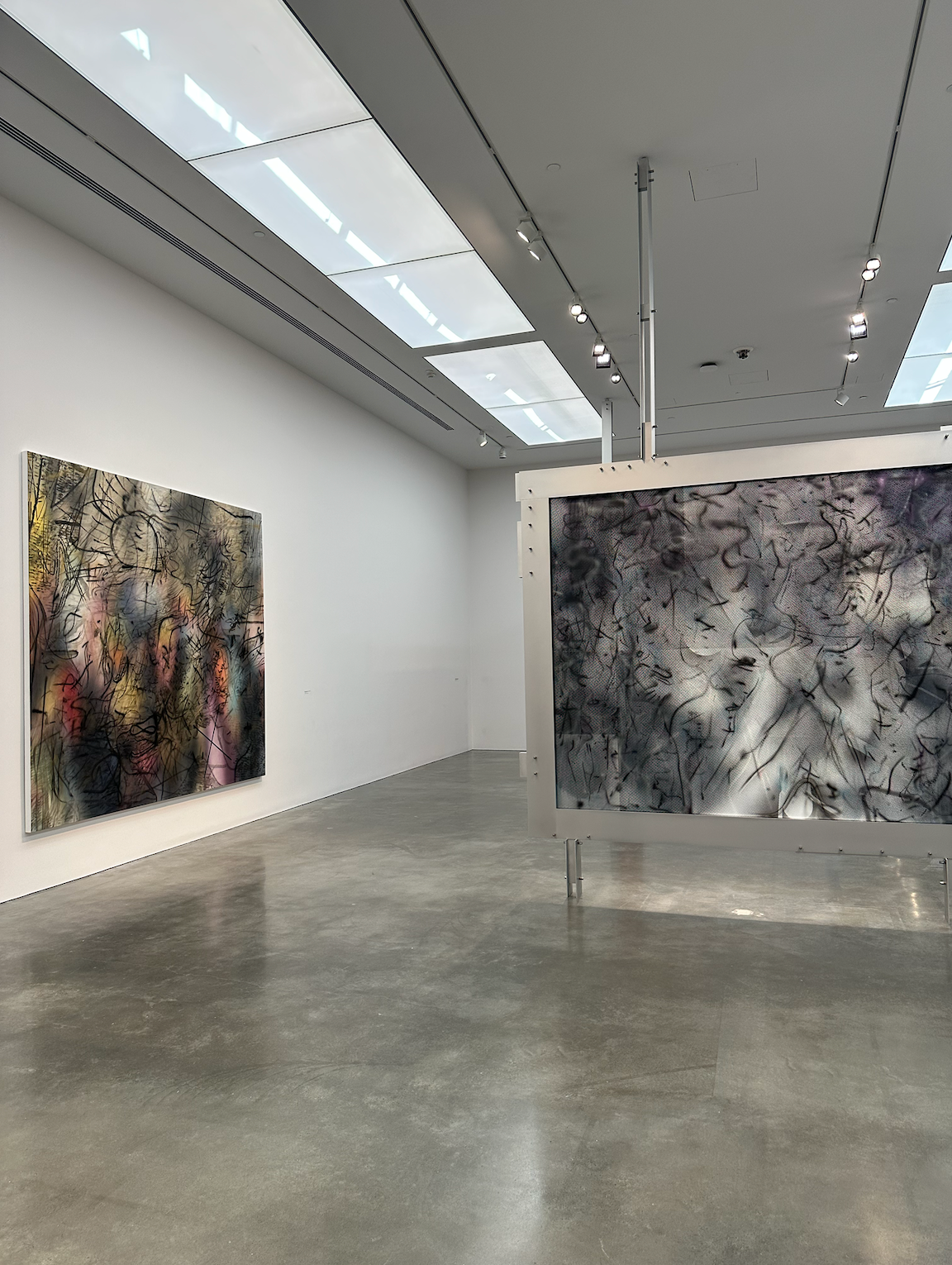
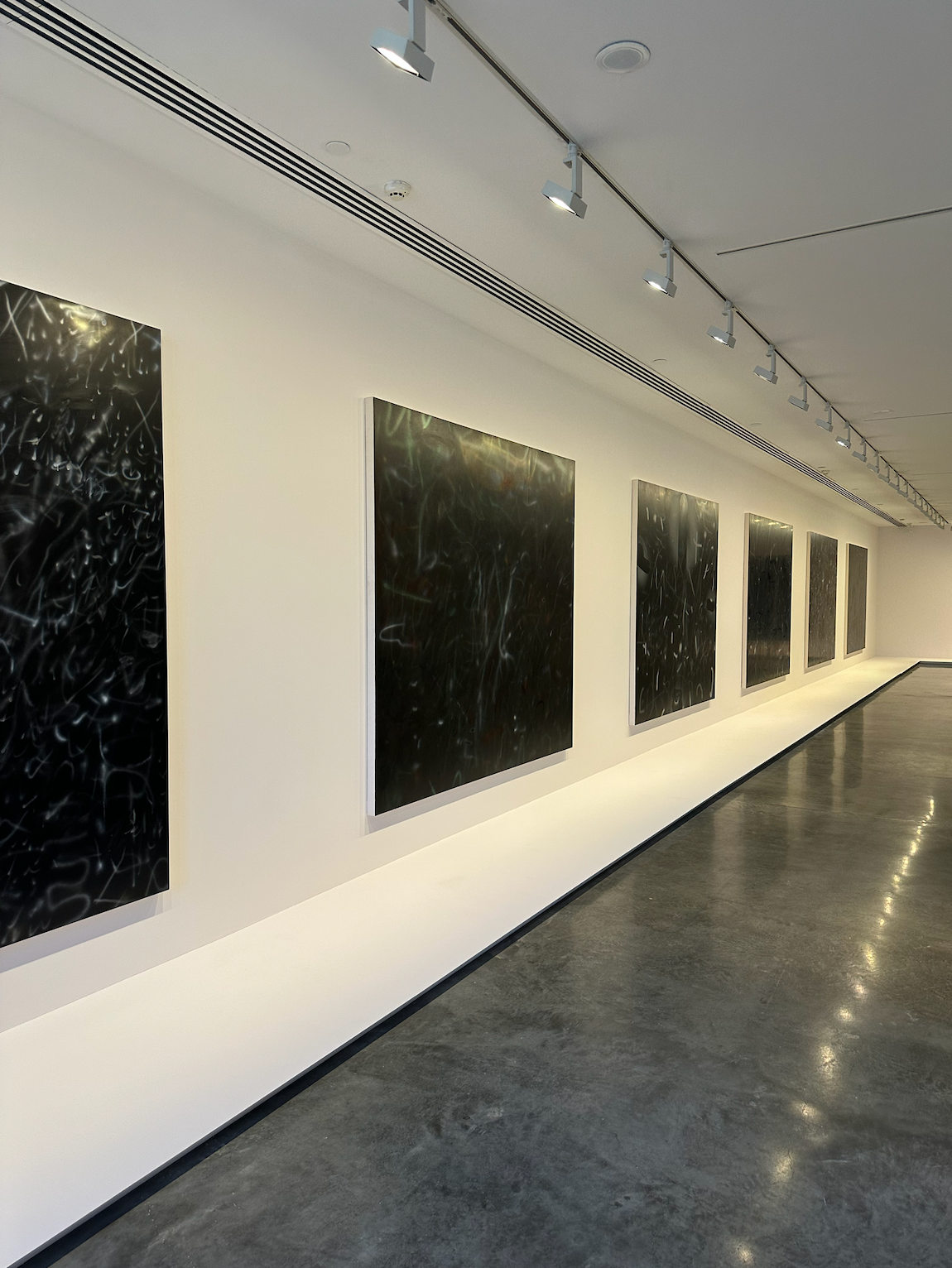
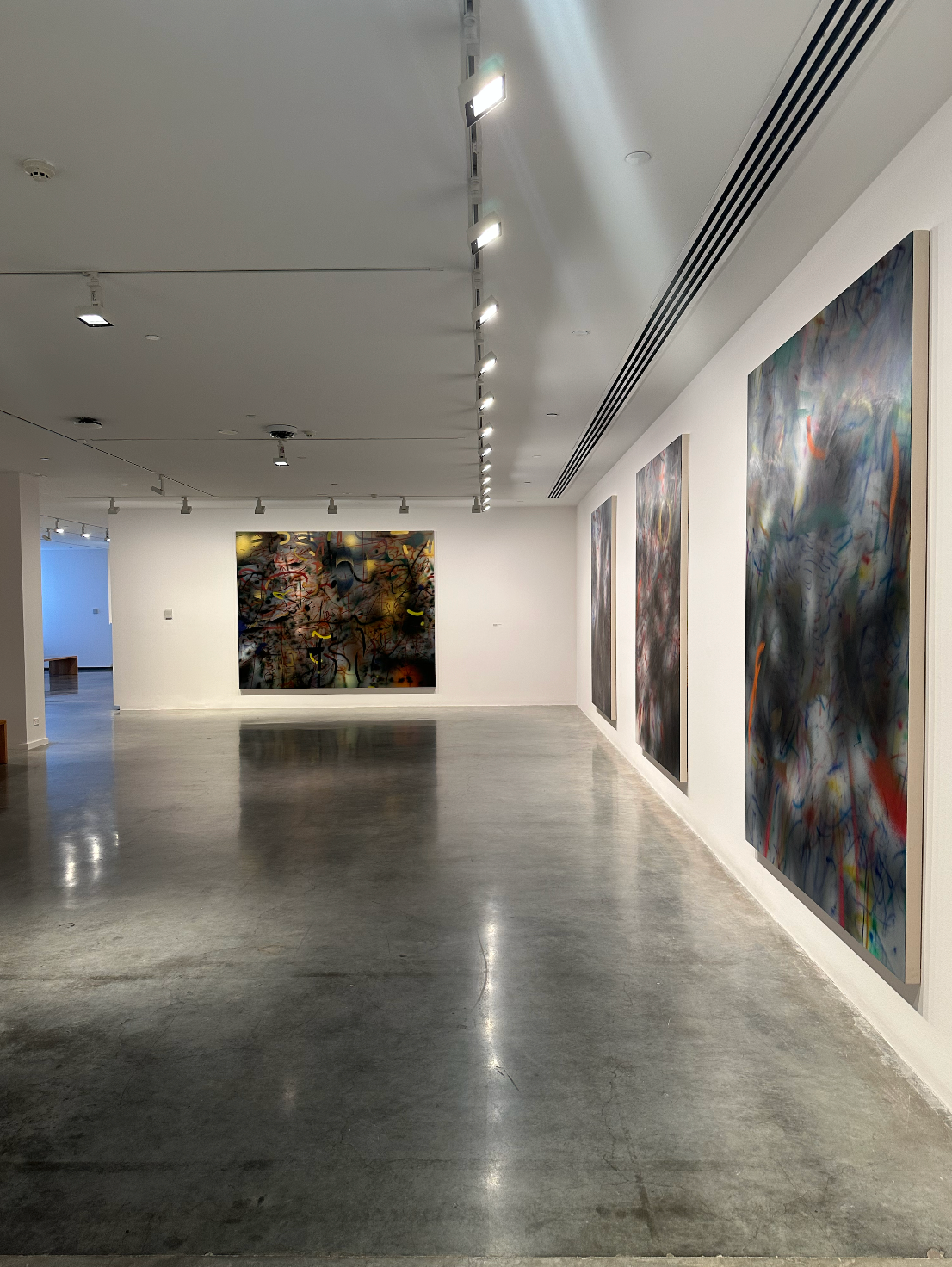
Walking through A Transcore of the Radical Imaginatory on the top floor of the MCA feels like stepping into Julie Mehretu’s imagination, its vast, chaotic, and stunningly precise all at once. Immediately you notice the sheer scale of her paintings. They tower above, pulling you in and almost demanding your full attention, and for a moment, it’s hard to know where to begin. These work in a way that pulse with energy.
The space is airy and large leading through different rooms, it is a perfect contrast to the dense, almost explosive compositions on the walls. The space highlights, even in the calm, controlled environment of the gallery, there’s a sense of urgency in her work. Lines sweep across the canvas like storm systems, layered with fragments of maps, architectural blueprints, calligraphic marks, and sometimes traces of protest imagery. The work starts to show these aren't just abstract gestures, they are all deeply intentional, speaking to histories lived and erased, borders drawn and redrawn and lives displaced. There’s something deeply emotional about standing in front of Mehretu’s work. The chaos isn’t arbitrary; it’s the chaos of cities under siege, of migrations, of collective memory, of a world constantly shifting. And yet through these deeper meanings, there is also beauty, and the kind that stops you in your tracks and really makes you think.
As you move from piece to piece, there’s a rhythm that emerges. Each canvas feels like a conversation between destruction and reconstruction, grief and resilience. Her most recent cycles, completed in 2023 and 2024, seem to vibrate with fresh urgency, as if responding to the contemporary crises of our world, such as climate collapse, social unrest, displacement, all while still holding space for dreaming, for imagining something radical and new. These works are not just visually captivating, but it's how they make you feel. Leaving you thinking long after you’ve left the room. You begin questioning the systems we live in, the places we come from, and where we’re going. In that sense, Mehretu doesn’t just present the radical imaginatory; she invites us into it. And it’s impossible not to be changed by the experience.
This exhibition offers a rare opportunity to experience Mehretu's powerful and thought-provoking works firsthand. If you're in Sydney, this exhibition is a must-see for anyone interested in contemporary art that challenges perceptions and provokes meaningful reflection.
NSW Visual Arts Fellowship (Emerging) - ArtSpace, 2024
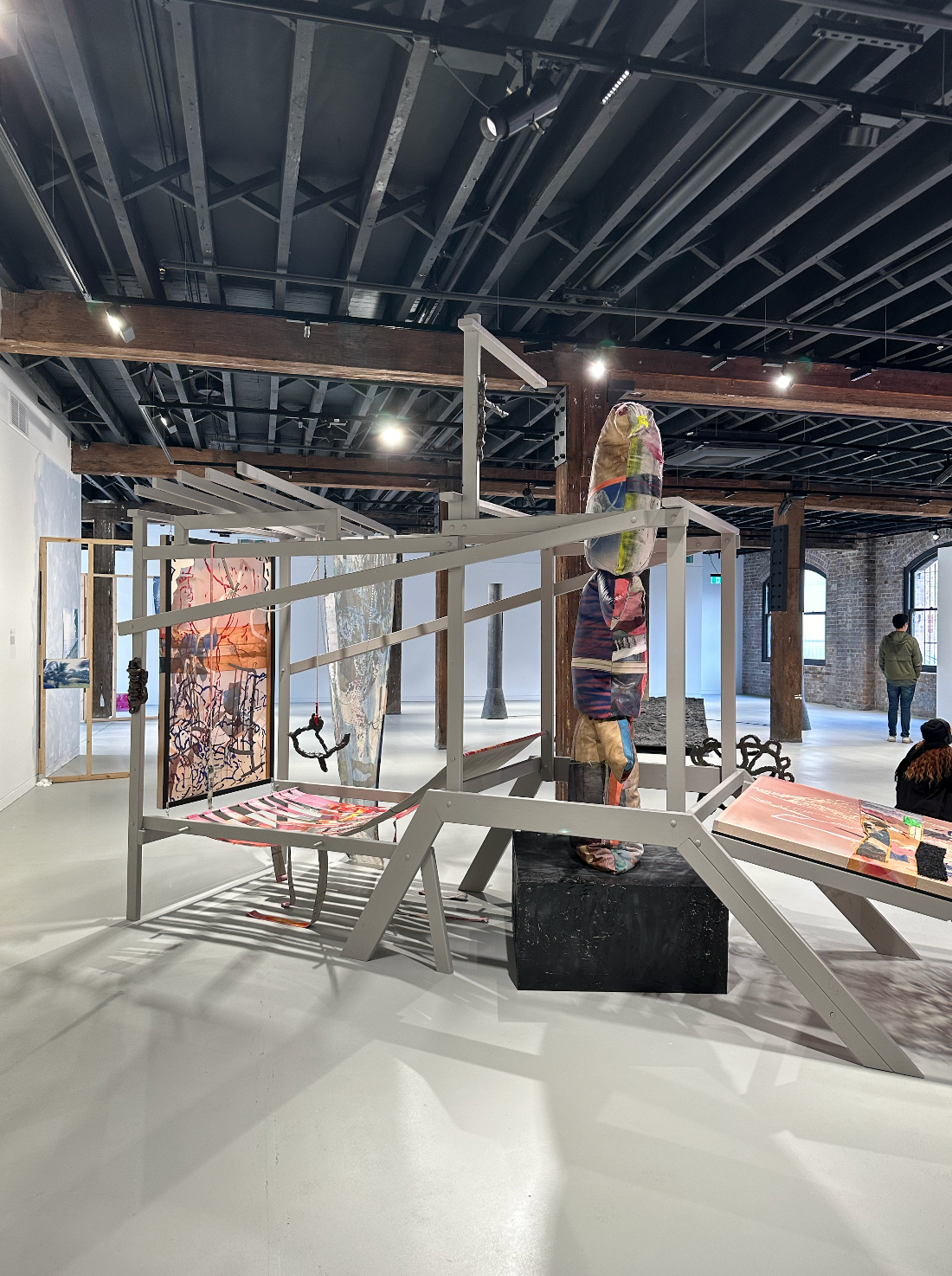
The 2024 NSW Visual Arts Fellowship (Emerging) exhibition at Artspace, Sydney, showcased the innovative practices of six emerging artists : Kalanjay Dhir, Remy Faint, Charlotte Haywood, Gillian Kayrooz, Kien Situ, and Talia Smith. It was held from July 5 to September 8, 2024, the exhibition aimed to highlight the diversity and dynamism of contemporary art in New South Wales. This exhibition was co-curated by Sarah Rose, Alexie Glass-Kantor, and Yuanyu Li. With the help of these three curators, each artist was invited to explore and challenge perceptions of time, space, and culture, creating immersive and thought-provoking installations.
Taking a closer look at each artist's works starting with Kien Situ's work, HUOHEIAN, 2024. It was a site specific installation, delving into themes of cultural dislocation and transformation and reflecting on his personal Chinese-Vietnamese heritage. The title of this work translates to “Fire and Shadow,” which kind of symbolises the interplay of elemental forces and the complexities of identity. “Through spatial tension, Situ invites contemplation on the fluidity of cultural identities in a globalised world, reflecting on how identity and geography are intertwined and transformed.”
Next is artist Gillian Kayrooz’s Leave Your Shoes at the Door, 2024, was a three-channel video, 4k, stereo sound and lasted about 4 minutes and 30 seconds. It was a poignant exploration of cultural identity and belonging. The installation, which won her the $30,000 fellowship, invited viewers to engage with the intimate act of removing one's shoes, symbolising a threshold between public and private spaces. As a viewer seeing this work in person in the space, I found that it offered a more personal interaction. It prompted the visitors to consider the act of entering a space and the cultural significance attached to that.
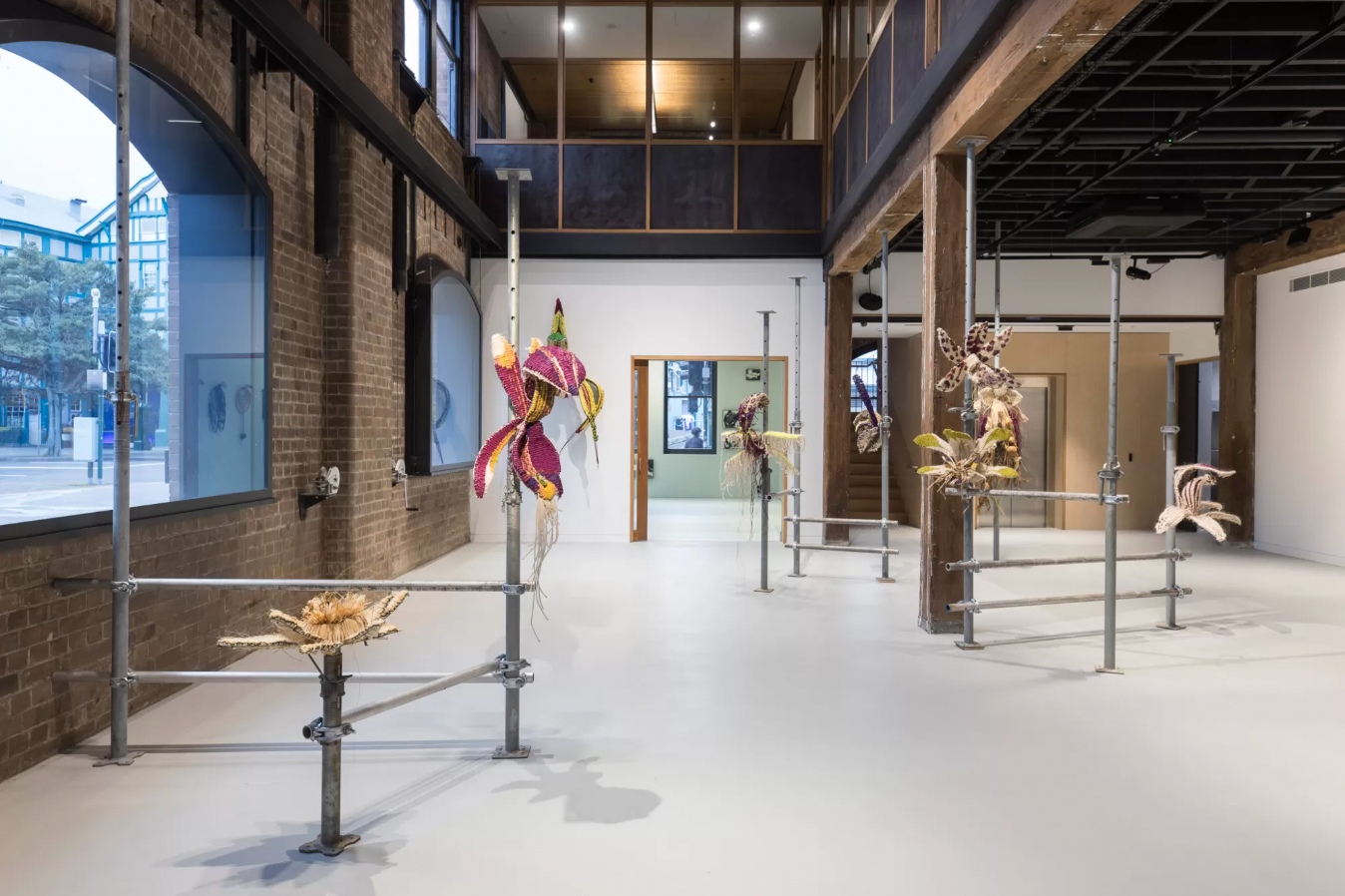
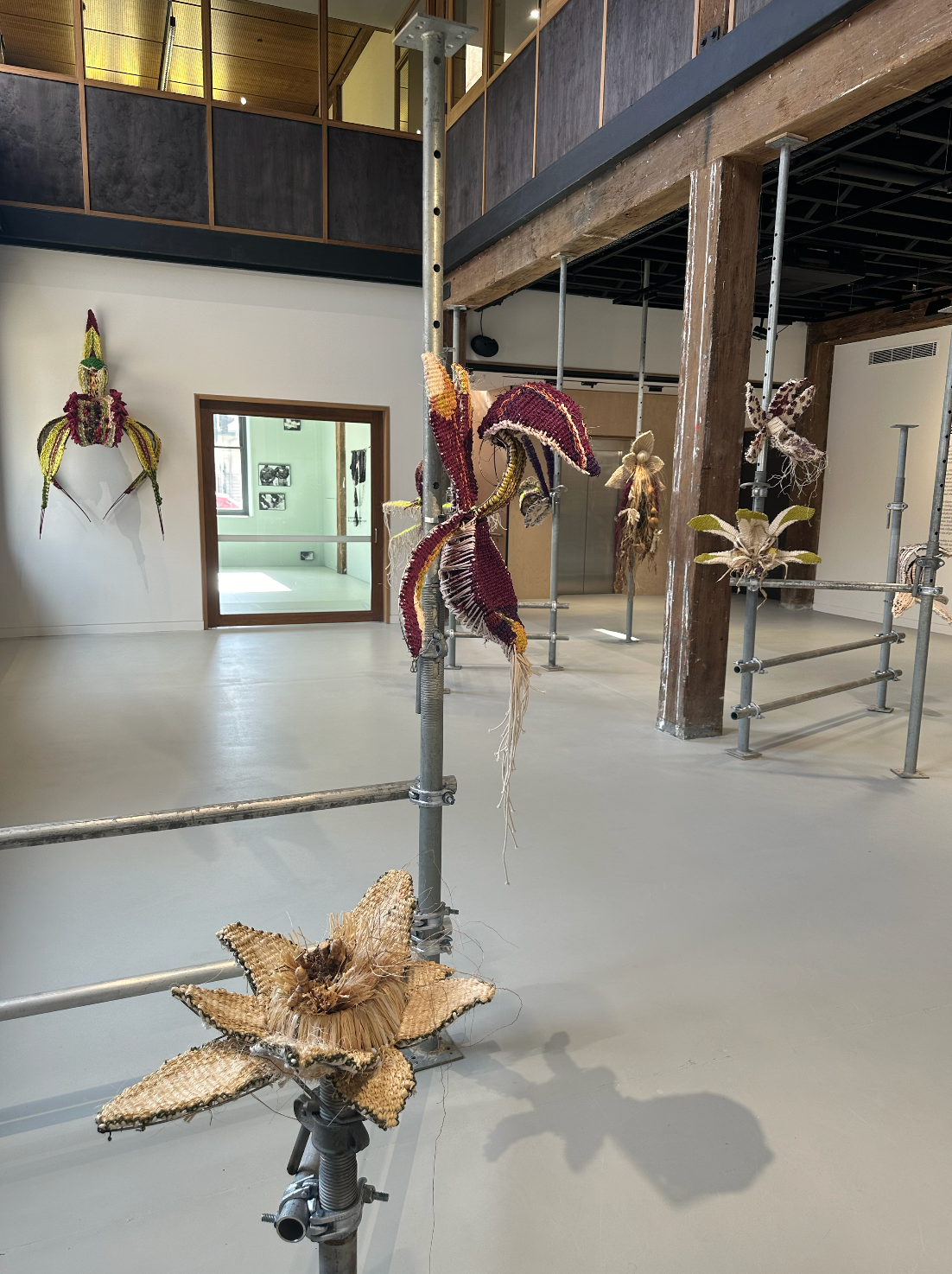
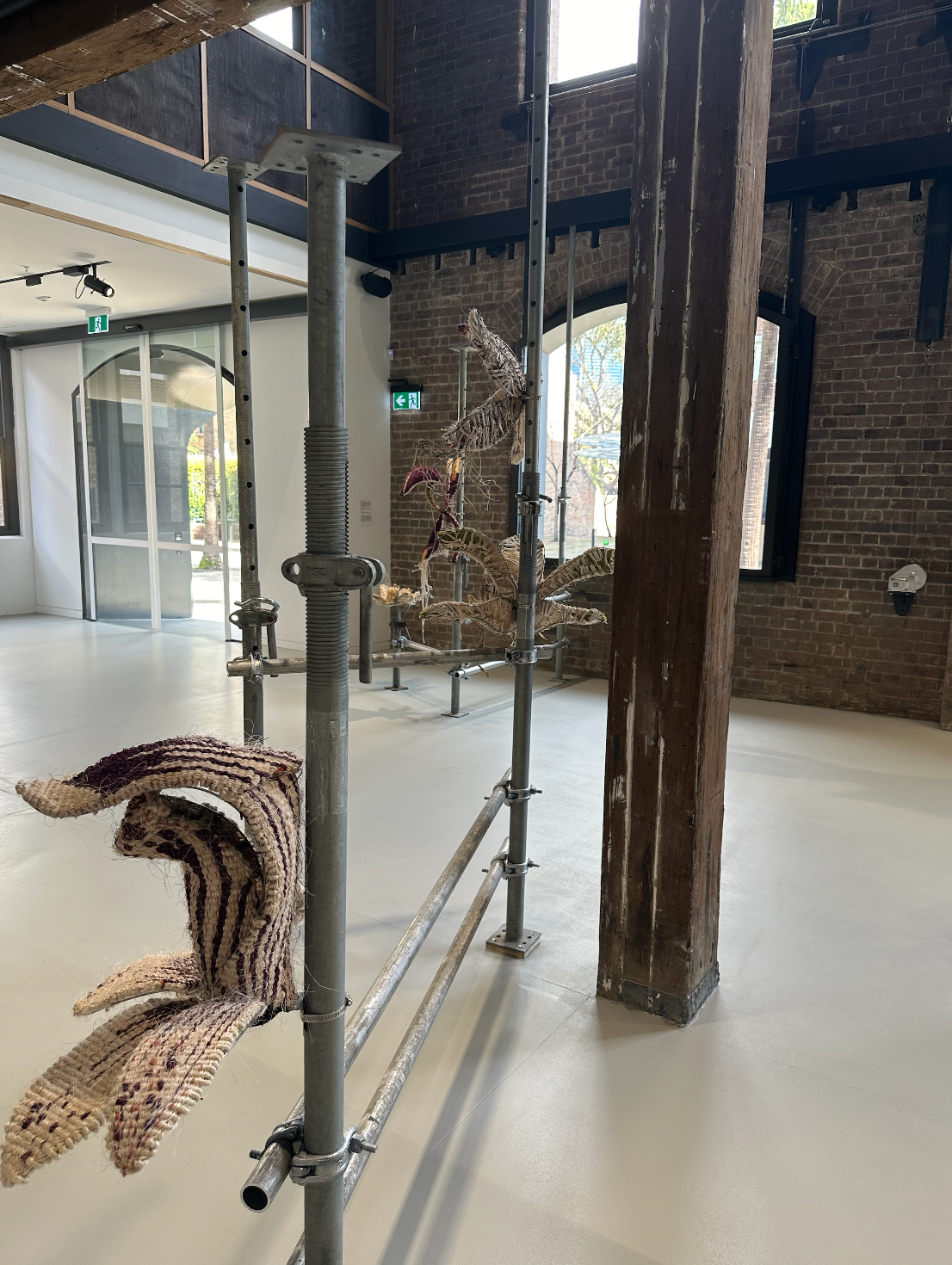
The next artist is Charlotte Haywood, whose work delved into themes of memory and loss, employing mixed media to create layered narratives that resonated with personal and collective histories. Her work Mythkit: resonance + manifestations, 2024, was the first work you saw when walking into the space by the reception. It was a mixed-media installation that delved into biodiversity through the intricate lens of coevolution, exploring the self-organising nature of life. By observing orchids' extreme forms and varieties, influenced by climatic and interspecies relationships, Haywood provokes future reflections on our own coevolutionary relationships and responsibilities. Visually this work was extremely beautiful and the detail and technical skills you could see were very impressive. This was personally one of my favourite works from this exhibition.
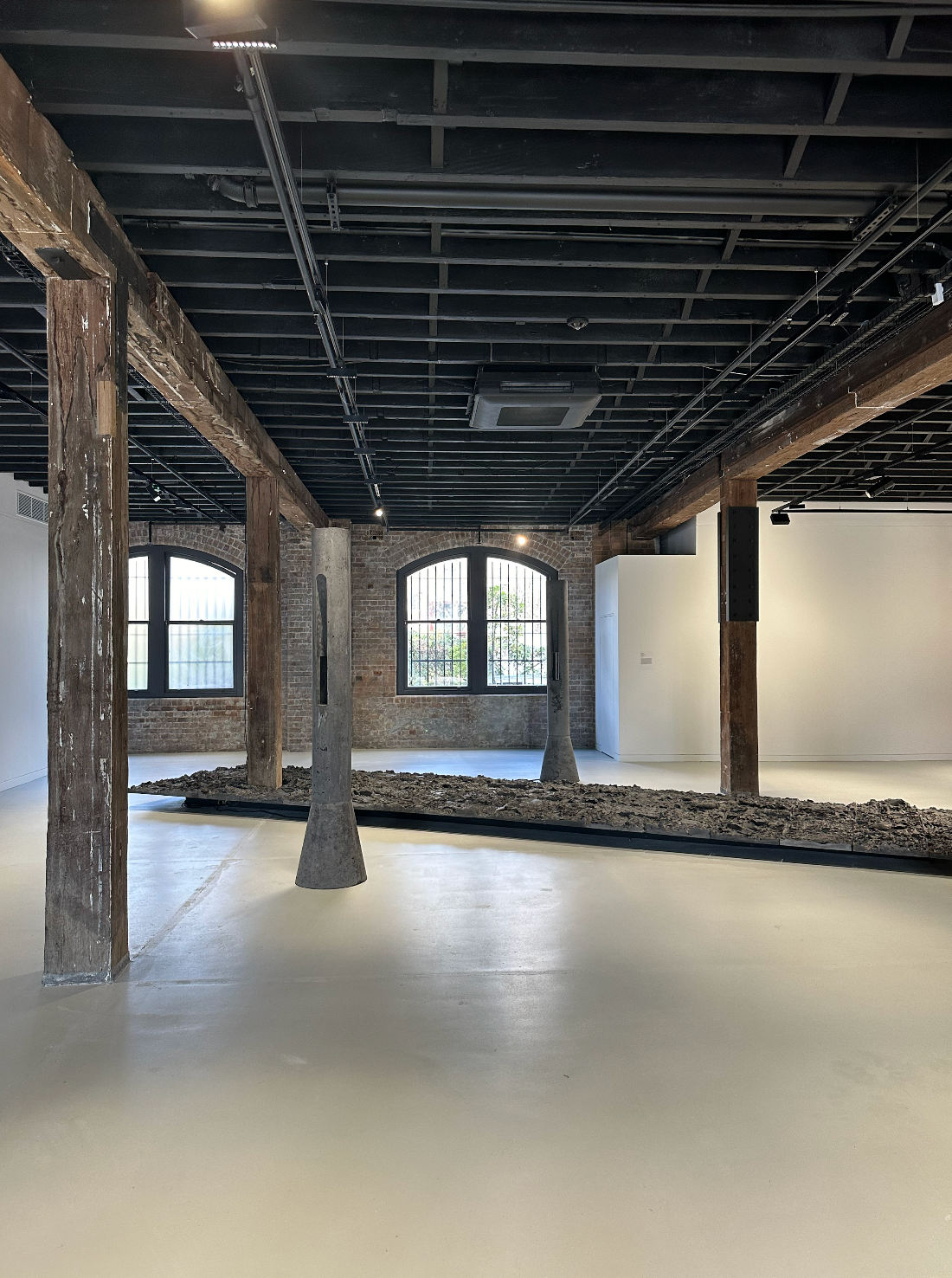
Talia Smith's practice examined the intersections of language and landscape, using text and imagery to challenge perceptions of place and identity. Her work The seas we know so well, 2024, was an installation drawing from her own personal cultural heritage, delving into themes such as memory, identity and the complexities of cultural connection when distant from ancestral homelands. She aimed to explore the connection between cultural histories and personal narratives and how that affects narratives that intersect with broader cultural contexts. The sheer scale and deliberate layout of the installation compelled me to move around it, looking up, down, and from every angle, drawing me into a fully immersive encounter.
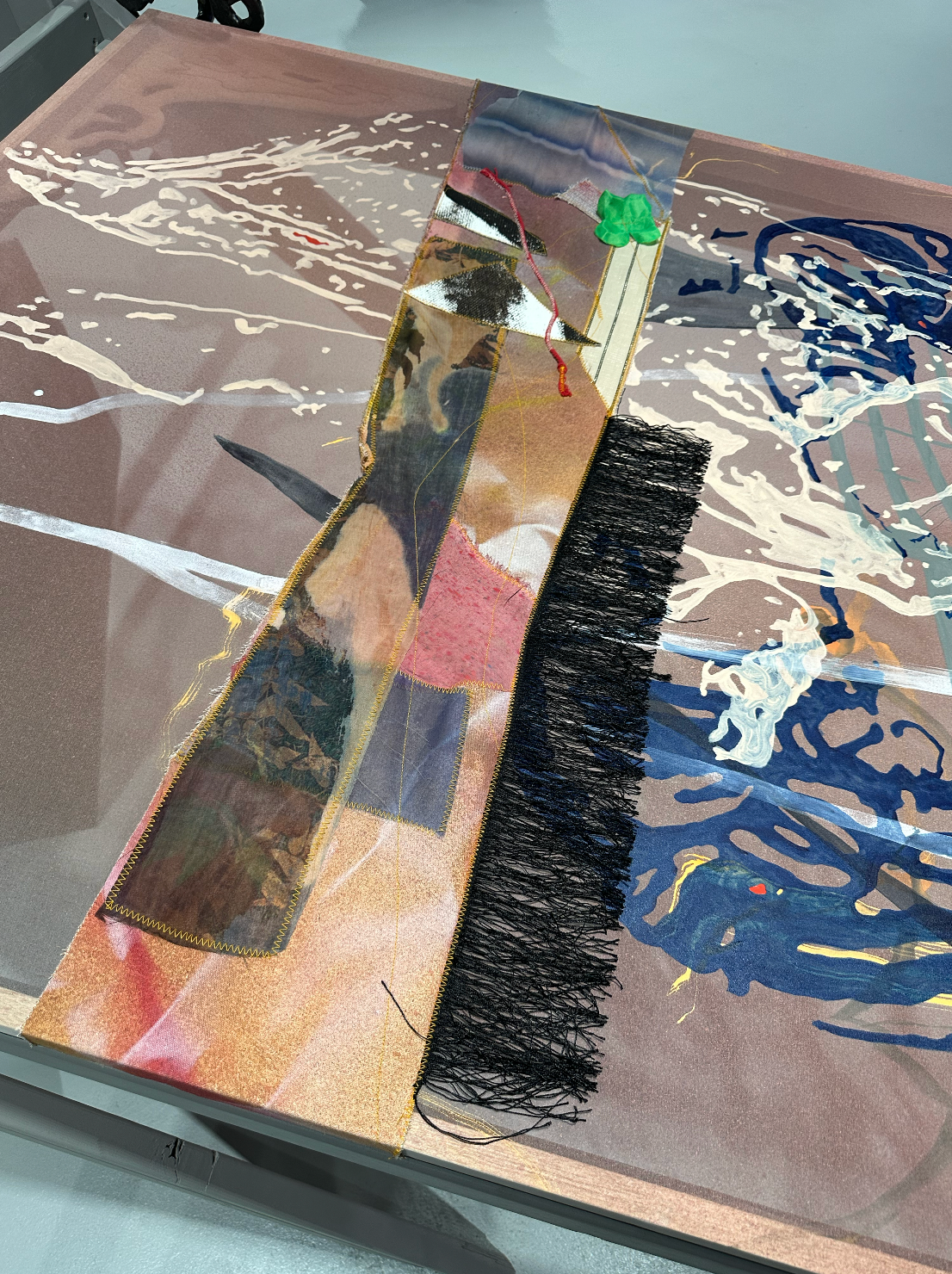
Remy Faint's abstract compositions pushed the boundaries of painterly languages, drawing from global histories to expand the knowledge of abstraction. His work Apparition Loom, 2024, delved into themes of cultural dislocation and transformation, again touching on ideas of cultural heritage. Weaving together fragmented histories and identities, creating a tapestry of personal and collective narratives. As a viewer this work looked both futuristic and ancient, which created a dreamlike landscape, showing how histories are stitched into everyday objects, which was really interesting and beautiful to see.
Kalanjay Dhir's multimedia pieces, influenced by sci-fi and myth, prompted reflections on human consciousness and its potential evolution. His work Coming Down, 2024, was a mixed-media installation, it was an immersive work combining five-channel video with sculptural elements and lots of objects. This work drew inspiration from science fiction, popular culture, and myth, the artist explores themes of human consciousness and its potential evolution. As a viewer, walking around this work felt like stepping into a speculative future, where technology and human experience intersect. The vibrant visuals and different tactical components made it an engaging and exciting environment, which made it super interesting and exciting to keep looking at and observing.
This exhibition not only highlighted the individual talents of these emerging artists but also underscored the importance of mentorship and institutional support in nurturing the next generation of visual artists. Artspace's commitment to providing a platform for innovative practices was evident throughout the exhibition, making it a significant event in Sydney's contemporary art scene.
Personally I really enjoyed the location of the space and the way the space was laid out. The openness of the space kind of crafted an environment where each artwork led seamlessly into the next, encouraging a fluid movement through the space and easy access to the viewers. However, although the space was so open, the way the artworks were set up allowed for moments of solitude with each piece, allowing the viewers opportunities to reflect and connect with the pieces.
Art Almanac. (2023, November 21). 2024 NSW Visual Arts Fellowship (emerging) finalists announced. https://www.art-almanac.com.au/2024-nsw-visual-arts-fellows/
Artspace. (n.d.-a). Kalanjay Dhir. https://artspace.org.au/artists/kalanjay-dhir
Artspace. (n.d.-b). Kien Situ. https://artspace.org.au/artists/kien-situ
Artspace. (n.d.-c). Talia Smith. https://artspace.org.au/artists/talia-smith
Cross, A. L. (2025, May 1). The best exhibitions to explore in Sydney This Month. Time Out Sydney. https://www.timeout.com/sydney/art/the-best-art-this-month
Kalanjay Dhir. (n.d.). https://www.kalanjay.com/
Mythkit : Resonance + manifestations. Charlotte Haywood. (n.d.). https://www.charlottehaywood.com.au/mythkit-resonance-manifestations